
By Even Though I’m Blind
On Saturday, August 8, 2026, Even Though I’m Blind covered Access in Focus: Blind Perspectives on Entertainment Accessibility, an evening presented by Lighthouse Guild in partnership with Spectrum at Lincoln Center’s Stanley H. Kaplan Penthouse in New York City.
The conversation brought together blind professionals working at the intersection of entertainment, technology, creativity and advocacy. But the evening carried a message larger than accessibility alone.
Blind and visually impaired people deserve the opportunity not only to experience entertainment fully, but to create it, shape it, work within it and have their voices heard.
Kiana Glanton: Hosting the Conversation With Lived Experience
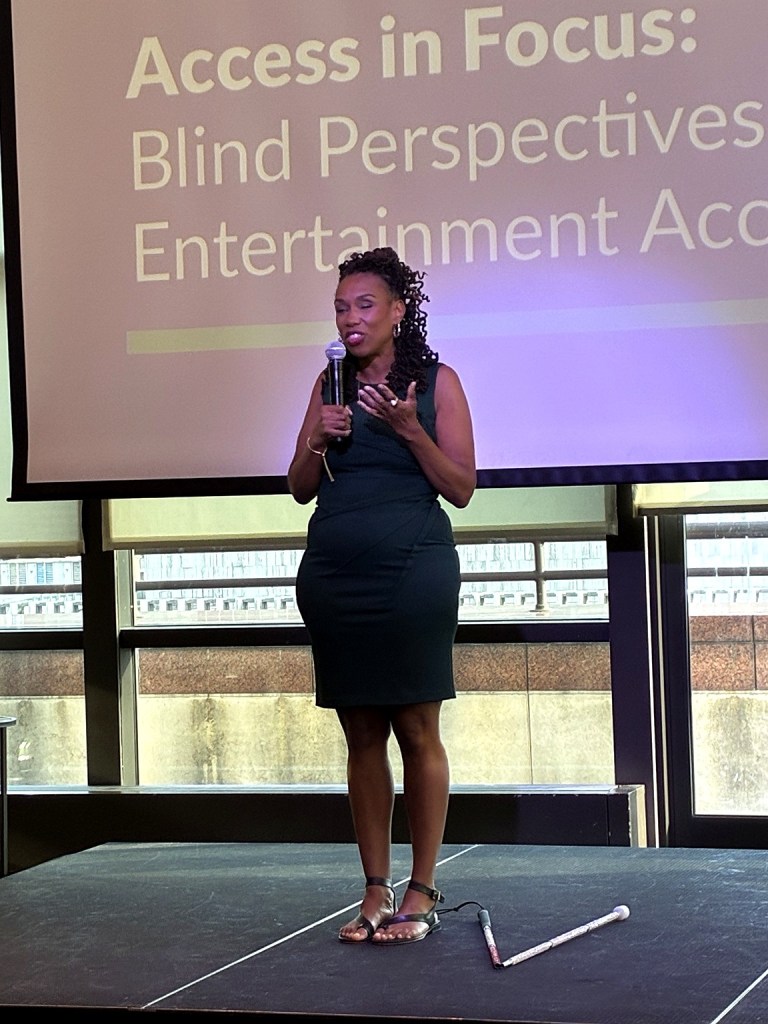
Guiding the evening was Kiana Glanton, who hosted Access in Focus and brought her own lived experience, advocacy and professional work into the room. Glanton serves as Development and Special Projects Manager at Lighthouse Guild and is also a lead advocate and ambassador for Adaptive Athletics. A Stony Brook University graduate, she has represented the United States in blind baseball and has used both sport and storytelling to expand ideas about what is possible for people who are blind or have low vision.
Her connection to the evening’s accessibility message extends beyond the stage. Glanton and her daughter, Kali, were featured in a Spectrum commercial demonstrating the Spectrum Access app. The commercial shows how audio description allows Kiana to experience television and movies alongside her daughter, turning accessible technology into something deeply personal: the ability for a family to share entertainment together.
Watch Kiana Glanton and her daughter Kali in the Spectrum Access commercial
Kiana’s role as host made her an especially fitting voice to connect the panel’s themes. Her work reflects the same principle at the heart of Access in Focus: accessibility is strongest when people with lived experience are not simply included in the audience, but are helping lead the conversation.
Three Perspectives, One Larger Conversation
The featured panel brought together Lachi, Nicole Harris and Petr Kucheryavyy, each approaching accessibility from a different part of the entertainment landscape. Their perspectives connected around a common idea: access is not simply about accommodating people after something has already been created. It is about ensuring disabled people have meaningful places throughout the culture as audiences, professionals, creators and decision-makers.
Lachi: Representation Changes What We Believe Is Possible
Lachi is an award-winning recording artist, author, media personality and Disability Culture advocate. She also founded RAMPD, Recording Artists and Music Professionals with Disabilities, to advance disability inclusion at the highest levels of the music industry.
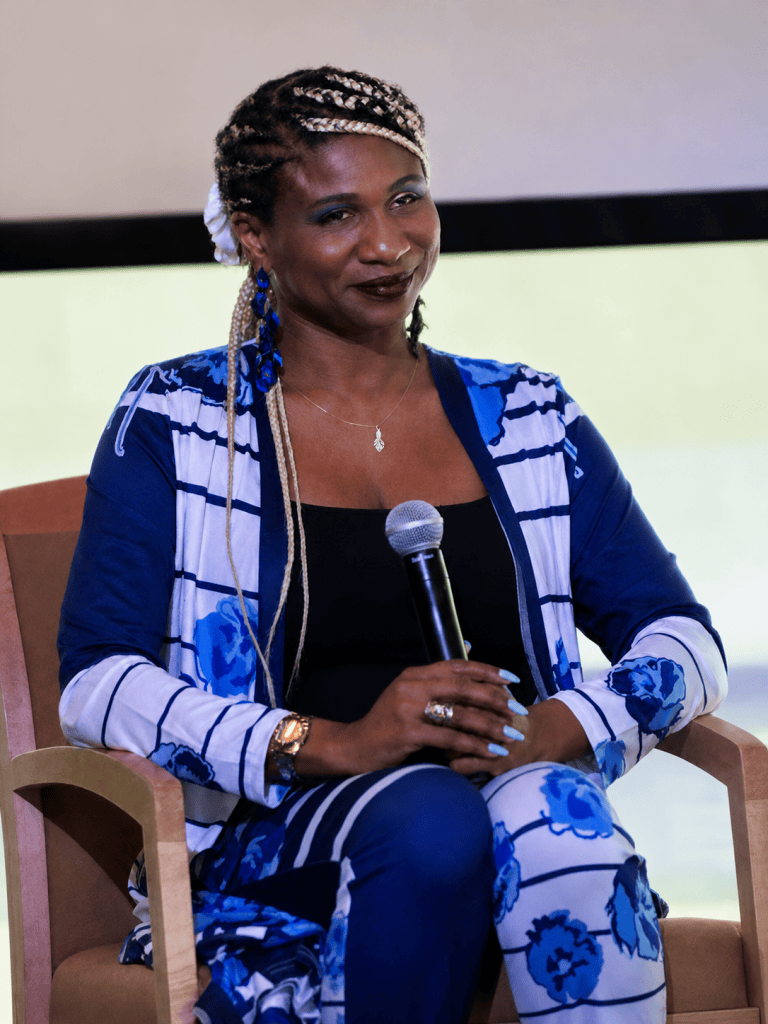
During the panel, Lachi spoke about the importance of representation. Growing up legally blind, she did not have enough examples showing her what a blind or low-vision person could become. Seeing people who share parts of our identities succeeding can fundamentally change what we imagine for ourselves.
Her message underscored why representation cannot stop at simply placing disabled people on screen. It matters behind microphones, in recording studios, in writers’ rooms, in executive offices and everywhere entertainment is created.
That theme also runs through Lachi’s newly released album, Magnificent, a project celebrating disability, neurodivergence, identity and belonging.
Representation can become permission. When people see someone like themselves creating, leading and succeeding, their own possibilities become easier to imagine.
Nicole Harris: Stop Waiting for Perfect and Start Creating
Nicole Harris brought the creator’s perspective to the conversation. Her message was refreshingly practical: create, post, be yourself and keep going.
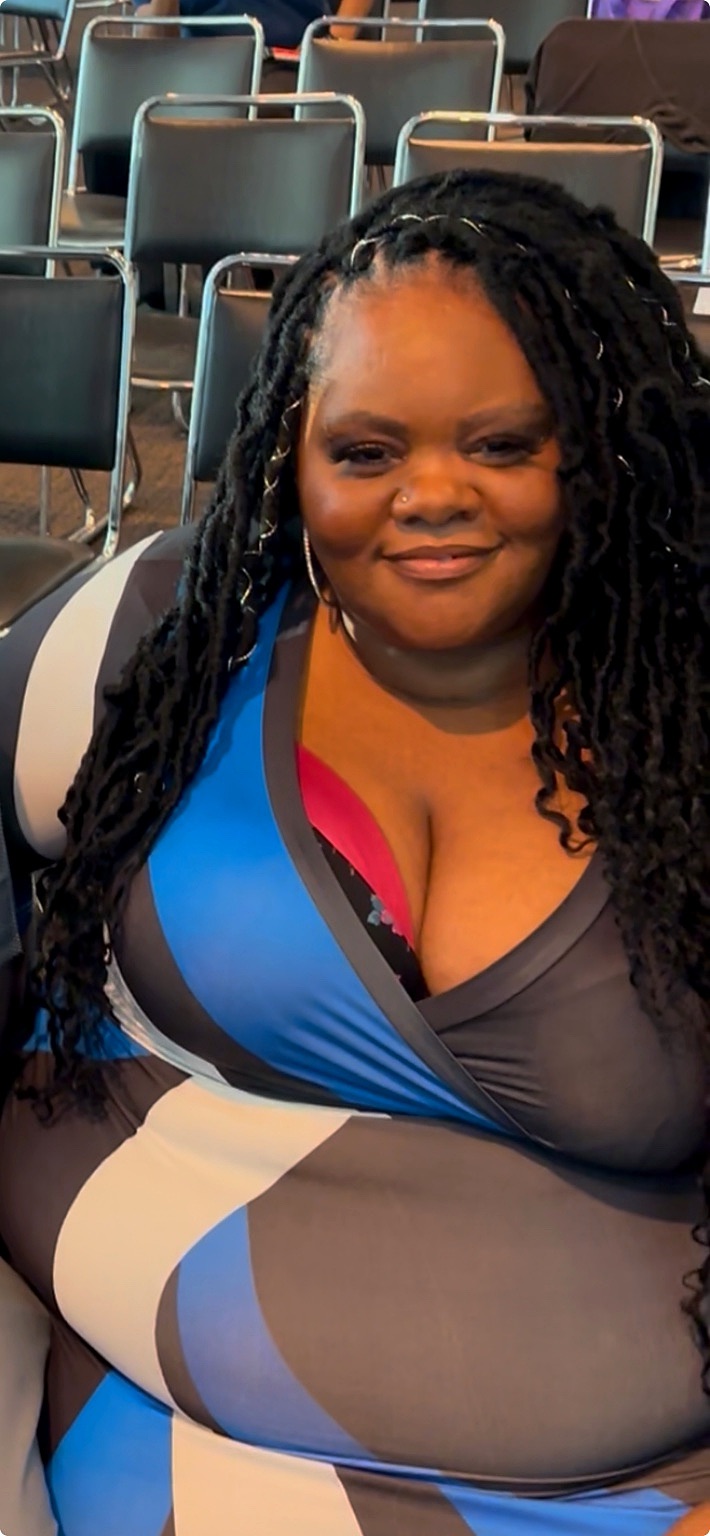
For aspiring creators, waiting for the perfect video, perfect draft, perfect opportunity or perfect version of yourself can become its own barrier. The alternative is authenticity.
Harris encouraged creators to stop remaining only on the other side of the screen, scrolling through everyone else’s work, and begin putting their own ideas into the world. Her larger message was that consistency and authenticity can create opportunities, communities and even income. You do not necessarily need an elaborate production to begin. You need a voice, something meaningful to communicate and the willingness to use it.
Harris is a blind content creator and founder of the Love The Hope Project. Readers can follow Nicole Harris and explore her work here.
For blind creators especially, accessible technology has dramatically lowered some of the barriers between having an idea and publishing it to the world. The next barrier can simply be believing that your voice belongs there.
Petr Kucheryavyy and Spectrum Access: Making Entertainment Something Everyone Can Experience
Technology became a major part of the evening through Petr Kucheryavyy, Senior Director of Outreach, Communications, Learning and Development and product owner of the Spectrum Access app for Spectrum’s Accessibility team.
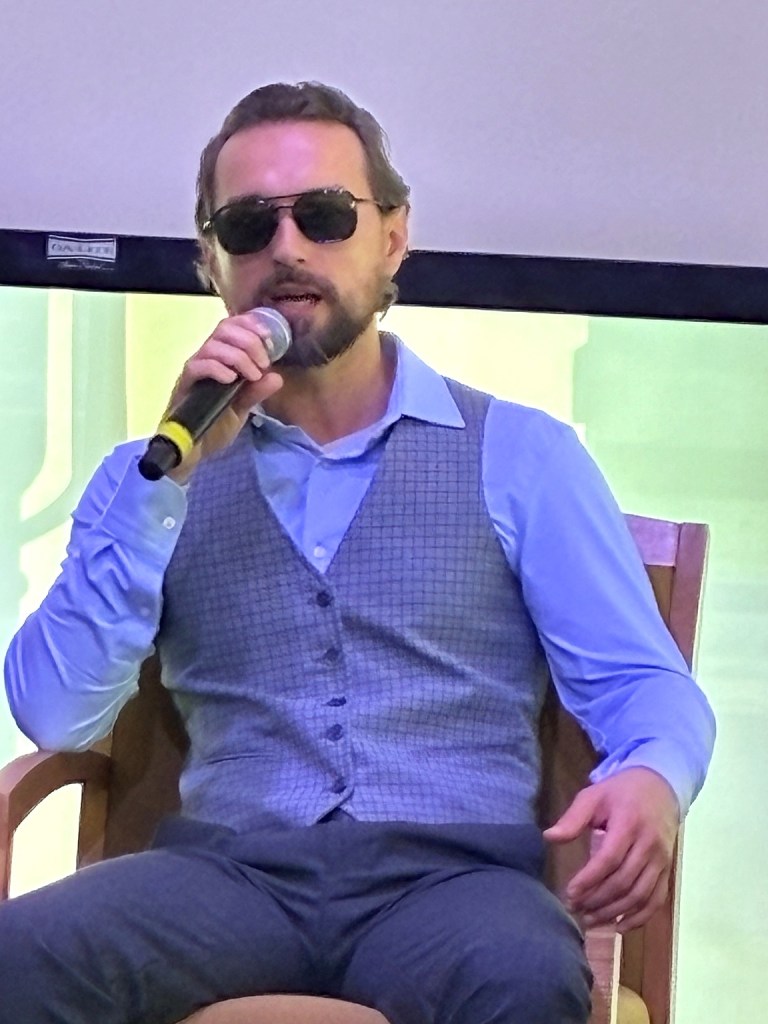
Spectrum Access addresses a deceptively simple question: What if a blind person wants to enjoy the same movie as everyone else in the room without forcing everyone else to change how they watch it?
The free app lets users access audio description for supported movies and television programs. A blind viewer can listen to description through their device or headphones while experiencing the program alongside everyone else.
Explore Spectrum Access and available titles
Download Spectrum Access for iPhone and iPad
Android users can find the current Android download option through the official Spectrum Access website.
The technology demonstrates why accessible entertainment is about more than convenience. Audio description gives blind viewers access to visual information that other audience members receive automatically, including actions, expressions, settings and other details that may never be spoken in the original dialogue.
Accessibility gives people a fuller seat at the table.
Special Ed: Look Beyond Disability and Ask What People Want to Become
The evening also included a special appearance from hip-hop veteran Special Ed, known for the classic “I Got It Made.” His contribution extended the conversation beyond technology.
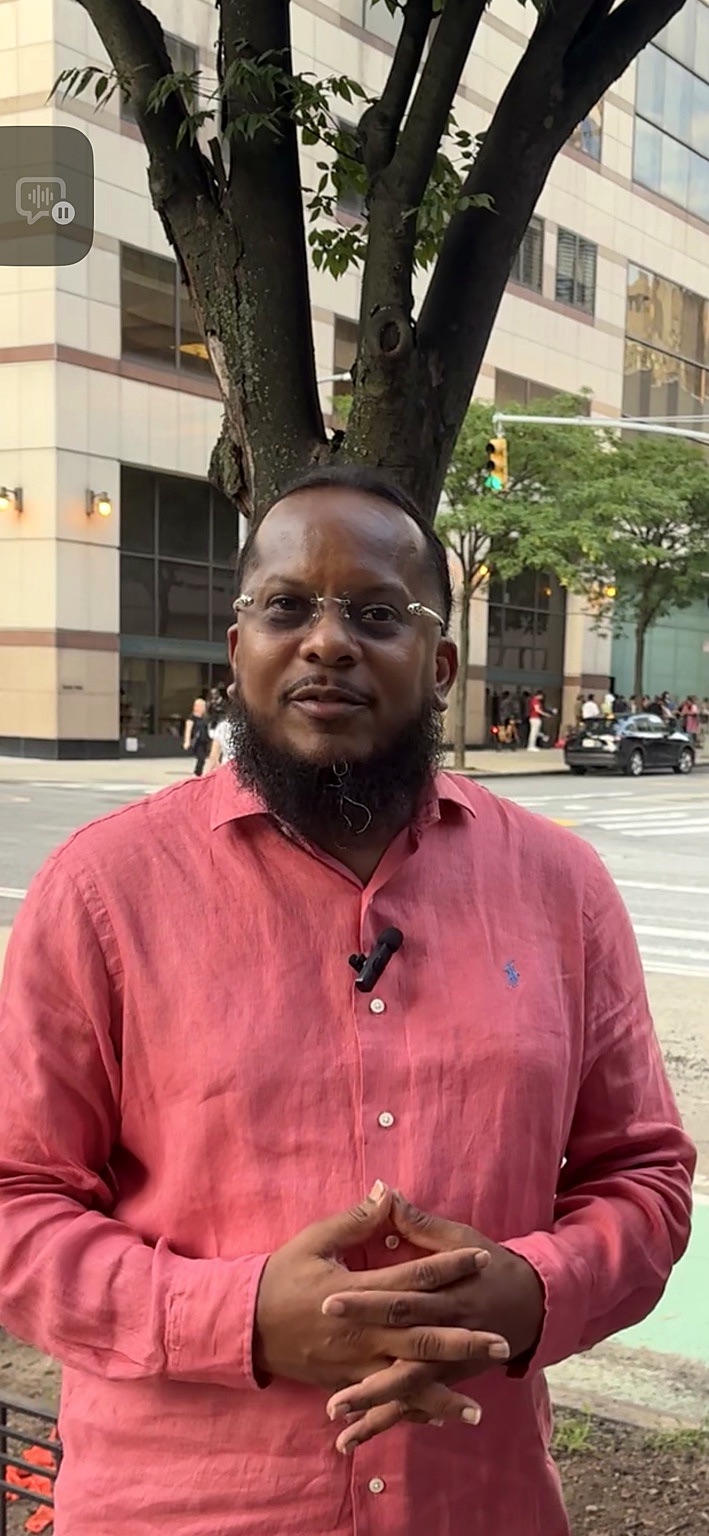
The message was simple but important: when encountering someone with a disability, do not allow the disability to become the entirety of how you see that person. Ask about their interests, their goals, their dreams, their talent and their future.
A person who is blind may want to become an artist, entrepreneur, filmmaker, engineer, athlete, producer, actor or something nobody around them has imagined yet. Disability is part of someone’s life. It is not the complete definition of their ambition.
Watch Special Ed, “I Got It Made”
Lighthouse Guild and Lincoln Center Created Space for the Conversation
Events like Access in Focus matter because inclusion requires both conversation and places willing to host it.
Lighthouse Guild works to help people who are visually impaired pursue their goals, while this event brought accessibility, entertainment and lived experience into the same room.
Lincoln Center’s role also deserves recognition. Access in Focus took place at the Stanley H. Kaplan Penthouse, and the program itself included live captioning and audio description. This reinforced the idea that accessibility should not merely be the subject of the conversation. It should be built into the experience.
Explore accessibility at Lincoln Center
Even Though I’m Blind Was There
Even Though I’m Blind attended and covered Access in Focus because conversations like this represent exactly why disability media matters.
There is a difference between other people telling stories about blind people and blind people participating in telling the stories ourselves.
What unfolded at Lincoln Center demonstrated the importance of inclusion across the entertainment ecosystem: creators having the confidence to publish, artists seeing themselves represented, technologists designing access from lived experience, and entertainment becoming something audiences can experience together.
Accessibility is not simply opening the door. It means making sure people can experience what is happening inside and have the opportunity to help create what happens next.
Watch Even Though I’m Blind’s Coverage
Video accessibility description: Video coverage by Even Though I’m Blind from Access in Focus: Blind Perspectives on Entertainment Accessibility, featuring perspectives on representation, content creation, accessible entertainment technology and the ambitions of blind and visually impaired people.

